




The_Cat
Senior Member
I imagine that YHT west of St. Albert Trail will be finished first.
|
|
|

I imagine that YHT west of St. Albert Trail will be finished first.


Also sad they bulldozed half the street’s urban fabric about 15 years ago now for Station Pointe, which is very mediocre and still only like a quarter built.The sad thing is that an antiques store on Fort Road is closing because of the rampant crime in that area.
Wow I had no idea Fort Rd was widened so much only 15 years ago?? You inspired me to go look at the old street view from 2007 which catches I guess the very start of the widening project, the old buildings had been torn down on the east side but the road was still the old narrow row.Also sad they bulldozed half the street’s urban fabric about 15 years ago now for Station Pointe, which is very mediocre and still only like a quarter built.
Wow I had no idea Fort Rd was widened so much only 15 years ago?? You inspired me to go look at the old street view from 2007 which catches I guess the very start of the widening project, the old buildings had been torn down on the east side but the road was still the old narrow row.
Was that a controversial project at the time? There must've been so many buildings they had to demolish, it seems more like a project you'd see in the 70s, not in the 00s.


I knew about that smokestack but I didn't know it was such a significant meat packing area.To be perfectly honest, I was young at the time, and not really privy to the politics of it, beyond it promising to rejuvenate the area and give light to new development. I know it was controversial in my heart though lol. I guess it was more than 15 years ago now, too, as I went back to the street view you mentioned, and yeah, it was midway through in '07, so the demolition must've been in '06 or so.
But yeah, basically the east side of Fort Road had a bunch of streetfront, human-scaled shops, similar to the older commercial buildings remaining on the west side. This was all remnants from when the area was the largest meatpacking area in North America not named Chicago. I remember there was a Levi's surplus store of some sort. The general vibe was similar to the west side of Fort Road, or places like Stony Plain Rd in Jasper Place and 118th Ave in Beverly. Kinda run-down, but still in use. I wish there was more documentation online about it, but a lot of stuff from before the popularization of social media gets lost in cities like Edmonton.
This was one of the meatpacking facilities, the Canada Packers Plant, in the late '30s. Only that tall smokestack on the right remains, which is also basically the only reminder of what the area once was. All other plants and facilities were completely demolished.
via https://www.davidmurrayarchitect.ca/canada-packers-smoke-stack/
According to this timeline, the last packing plant was demolished in 2002. That was the Swift/Gainer's plant. Burns was the first plant to close, in 1978, and that plant was demolished in '88.
This was the Swift/Gainer's plant:
via https://www.facebook.com/historyofa...n-edmonton-alberta-ca-1920s/1444571685839646/
I was trying to find photos specifically of what Fort Road looked like completely built up prior to the mid-aughts demolition. But people didn't document things as much back then, especially in off-the-beaten-path places like Fort Road. And if they did, a lot of it wasn't digitized because there isn't the same level of interest as in other cities. It's a lot easier to find photos of Williamsburg or Park Slope in the '90s and early 2000s, for example. The most I could find was this document about the demolition work, beginning in 2006. There's some pixelated images of the demo work in there, but that's it. I'm sure there was something in the Journal at the time, but it's not on their website. You can access old newspaper issues from online archives like newspapers.com but it's paid.
I knew about that smokestack but I didn't know it was such a significant meat packing area.
According to that last document though it sounds like people were pretty positive about it though. 93% in support. So I guess that settles how contentious it was lol.
It's easy to imagine what the old area would've been like, but it definitely feels very drive-by these days.


 www.solosophie.com


 drifterplanet.com
 www.opnminded.com
 amsterdamnoordinfo.nl
Very true. We're in the thick of that with modernist architecture, which is only starting to be viewed as worth protecting. And then there's po-mo architecture, which is not deemed worth preserving and is often considered garish and dated (much like pre-modernist architecture was at mid-century). I have a feeling that buildings like Canada Place and the "dated" interior of Commerce Place will be viewed more warmly in 30-50 years.Wouldn't that have been nice?
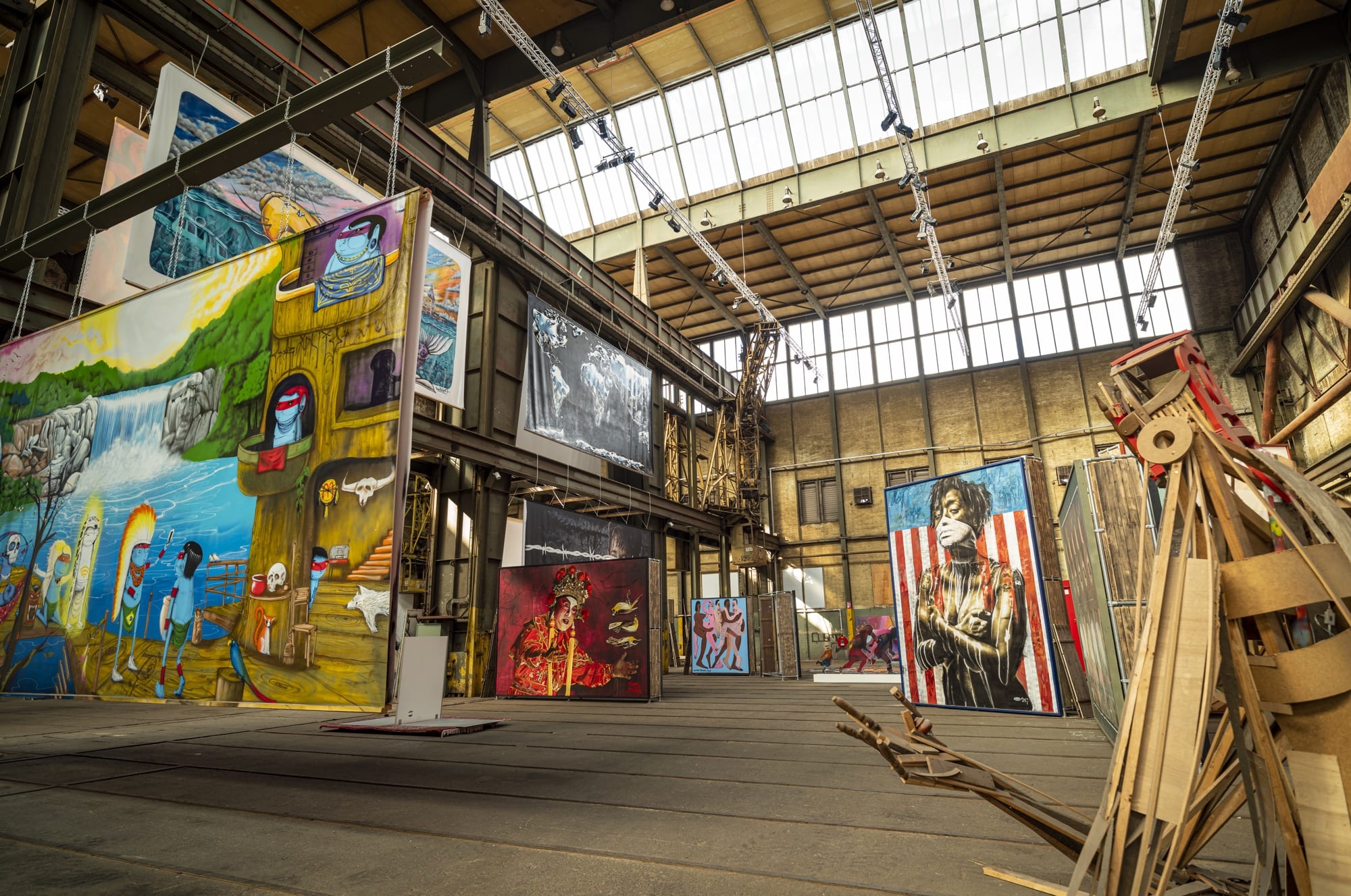
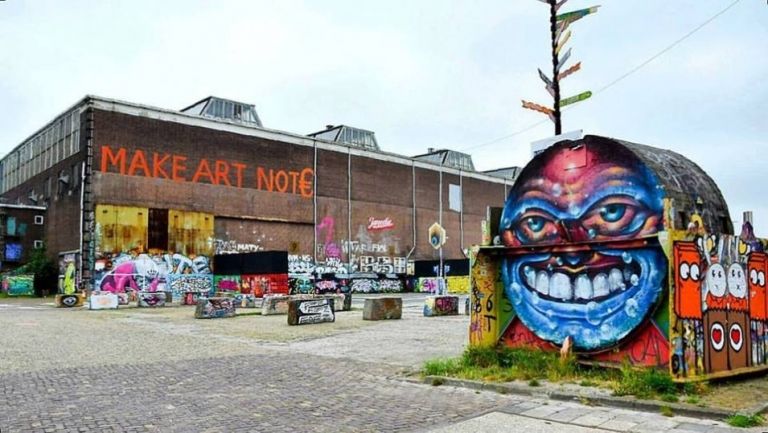
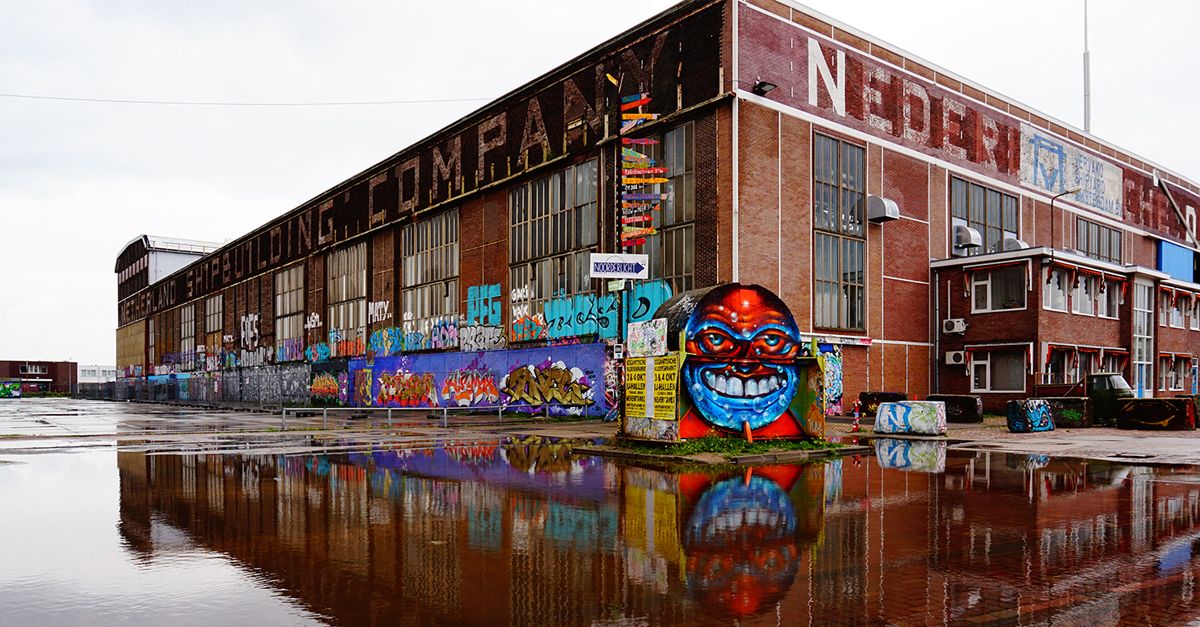
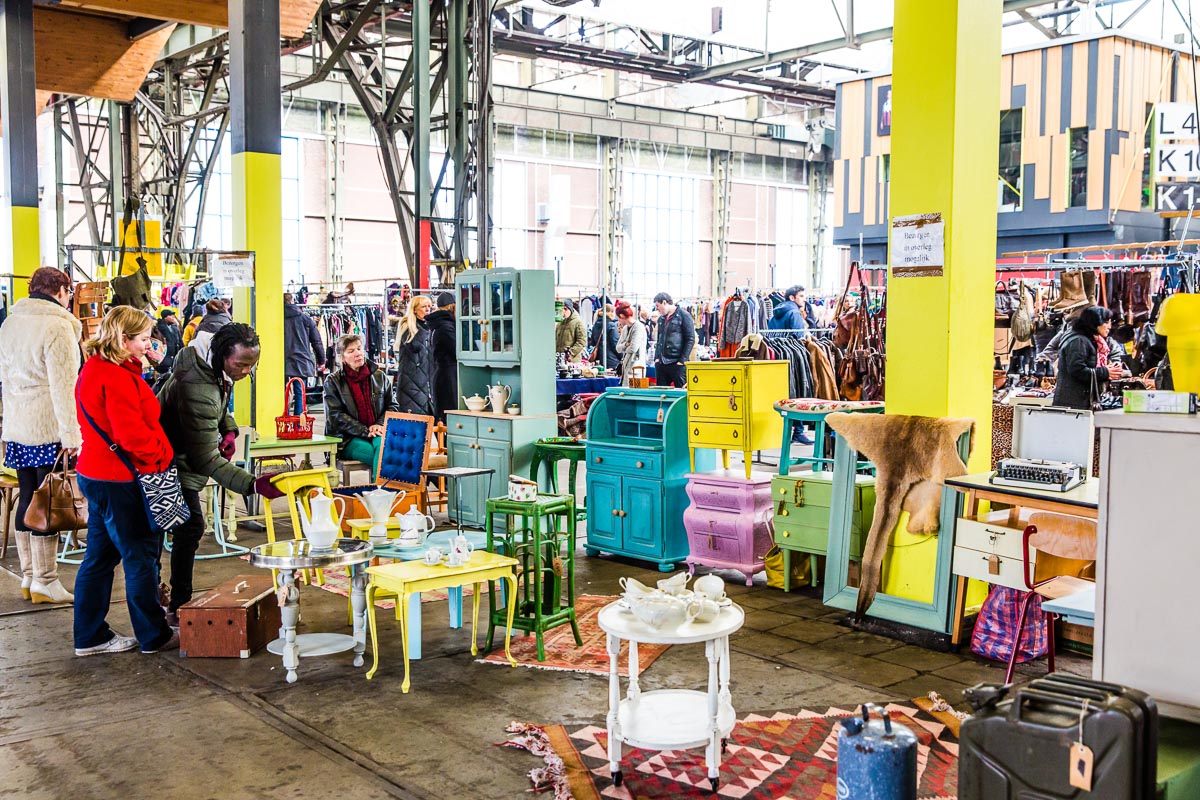
It's so hard to get old industrial buildings past the era of "dumpy old building" into the era of cool thing worth reusing.
You can't help but wonder what we look at now as forgettable and unwanted, that in 50-100 years would be considered desirable and worth preserving.

It’s an interesting thing. The area was still reeling over the closure of Gainers and Canada Packers in the early 2000s, and had a glut of vacant storefronts. Business-owners were hoping that more parking and wider sidewalks would encourage patronage. One report from the Journal in 2002 wrote that:I knew about that smokestack but I didn't know it was such a significant meat packing area.
According to that last document though it sounds like people were pretty positive about it though. 93% in support. So I guess that settles how contentious it was lol.
It's easy to imagine what the old area would've been like, but it definitely feels very drive-by these days.
“[Residents were] in favour of widening Fort Road to provide two lanes in each direction, plus parking lanes on either side, with a well-treed central median that would give way to turning lanes at each intersection.
This would move traffic, give the road a more attractive look, and allow storefront parking — except during rush hours when the curb lane would be used by traffic.
It would require widening the road by cutting into the bordering property on its south side.
Most of that property already is city-owned. Many of the privately owned lots and buildings are empty, with most of the operating businesses located on the north side.”