Allandale25
Superstar
Latest Crosstown video.
|
|
|

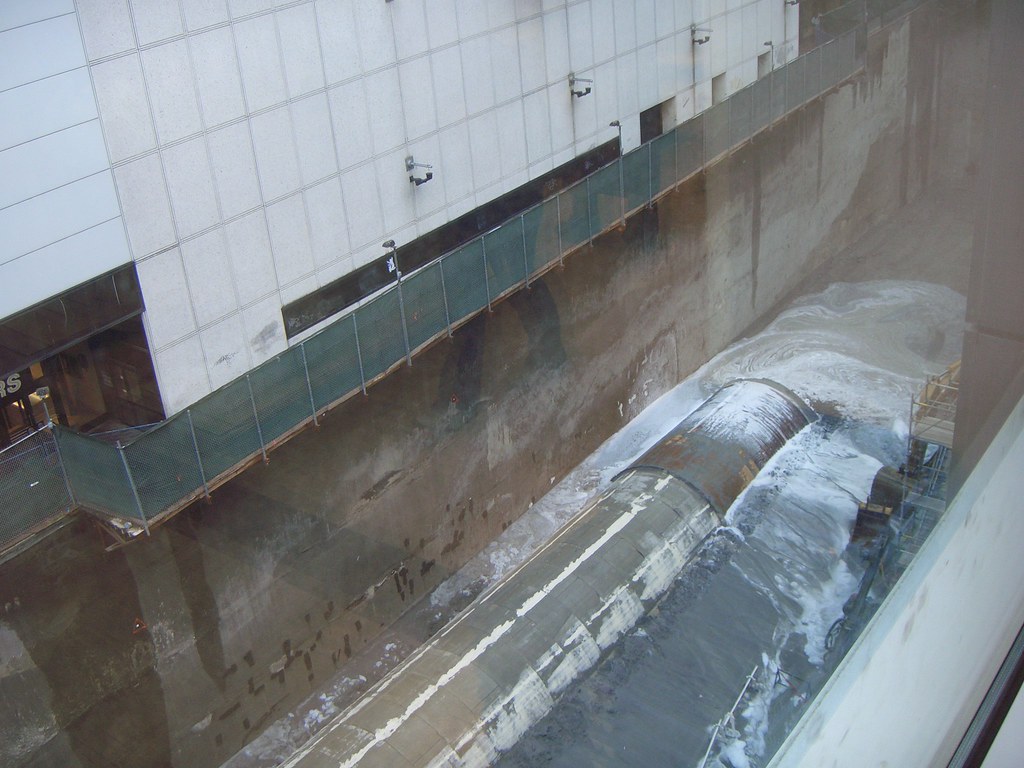
None - once they dig far enough down to expose them, they just smash into them and toss 'emThis is pretty cool. I wonder what measures were taken during the removal of the precast segments.
View attachment 158409

So they dig from the surface down to remove the tunnel the TBM made? I thought these were removed from underground within the tunnel or mined from next to the tunnels.None - once they dig far enough down to expose them, they just smash into them and toss 'em

So they dig from the surface down to remove the tunnel the TBM made? I thought these were removed from underground within the tunnel or mined from next to the tunnels.
I general understand the process, but I was just wondering about the removal of the TBM tunnel segments specifically.
I general understand the process, but I was just wondering about the removal of the TBM tunnel segments specifically.
So they dig from the surface down to remove the tunnel the TBM made? I thought these were removed from underground within the tunnel or mined from next to the tunnels.
mr.x;12563789 said:
mr.x;13069968 said:Vancouver City Centre Station opening
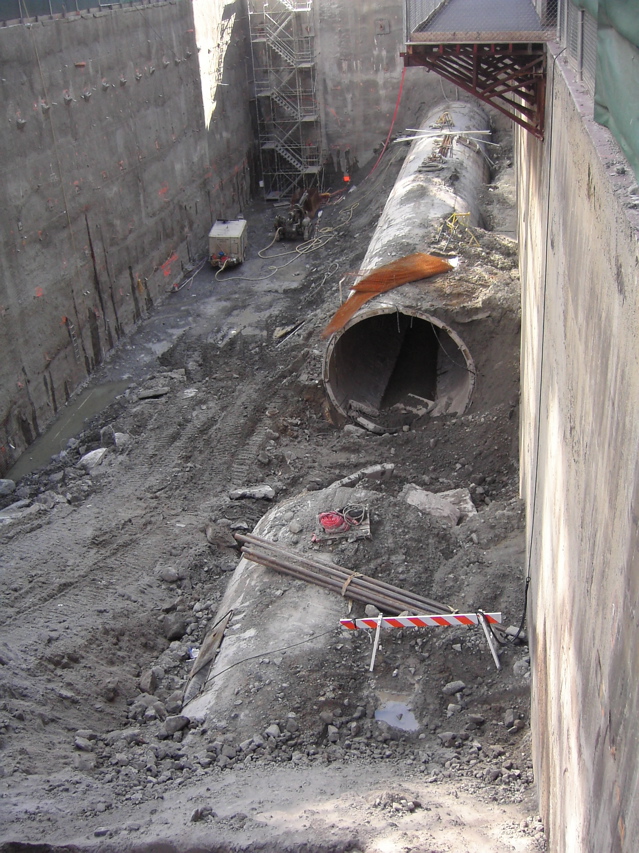
officedweller;17771403 said:The TBM has started boring again at Vancouver City Centre Station. They have built a steel frame (square, black) off of which the TBM "pushes" in order to get the pressure to grind against the leading edge. You will recall that when the TBM went through the last time, they laid a tunnel tube the whole length of the station. That probably wasn't possible this time given the station superstructure around it. You can see the framework being built in this Tafryn pic (the concrete collars have now been inserted from the steel frame to the station wall).
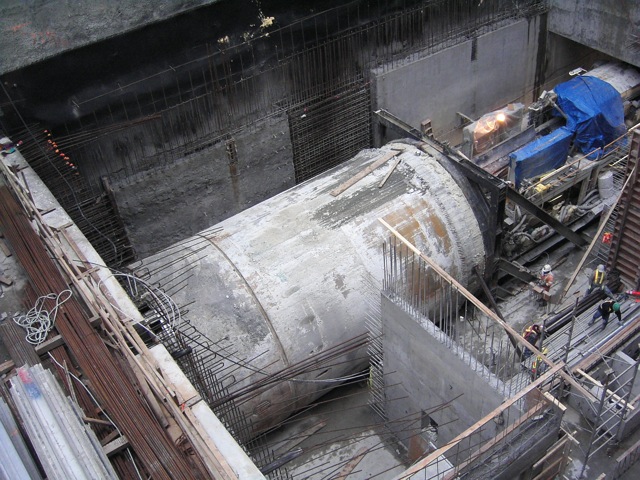

There is a headwall perpendicular to the direction of the TBM. If you have plenty of space, there could be side slope beyond this headwall, but generally it also has wall parallel to the direction of TBM to retain slopes. As the TBM enters this space beyond the headwall, it can be removed. The entire TBM does not have be be out - as soon as 1 segment of the TBM pokes through the headwall, it can be removed. This means the TBM extraction site does not have to be huge.I general understand the process, but I was just wondering about the removal of the TBM tunnel segments specifically.
You realized if they were dismantle from instead the tunnel, the tunnel would be in jeopardy of collapsing. For mining to be completed safely (as shown in the video), they need to install a pipe roof on top of the section before they removed the tunnel liners under it. Thus it cannot be done initially from inside the tunnel.So they dig from the surface down to remove the tunnel the TBM made? I thought these were removed from underground within the tunnel or mined from next to the tunnels.
Its possible because the ring is a universal design, all with a slight taper. if you want a straight section, you oppose the tapers from one ring to the next. You build up the tapers to achieve a particular curve in any direction (up, down, side). At least I think it was a universal ring design.
Inside the former Kodak Building 9, refurbishment is set to begin #CrosstownLRT

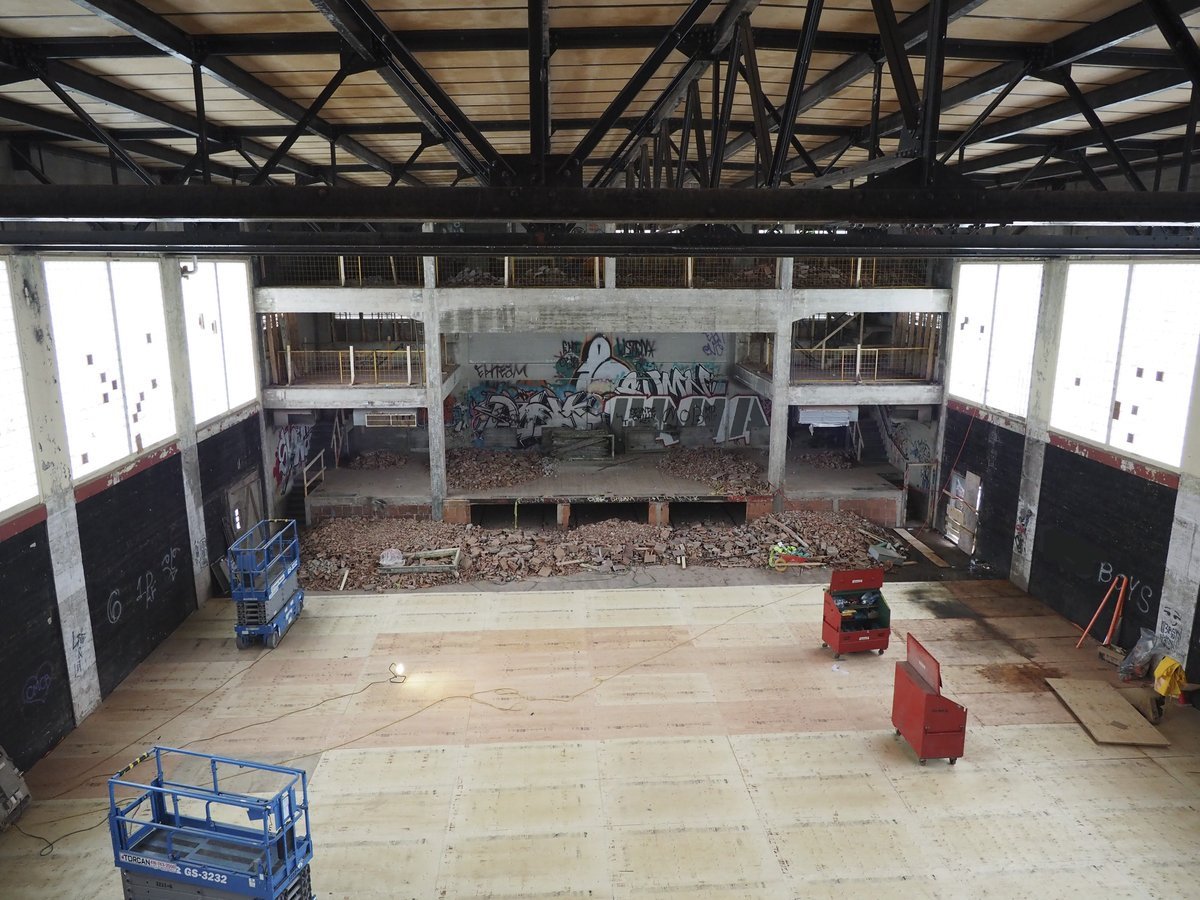

Just posted on twitter:
Note the nice graffiti on the right wall. I can't believe they posted this photo on twitter.