





Jspr
New Member
We need to stop conflating life-saving shelter (a medical intervention) with permanent ongoing housing provided by the market. People in need of life-saving shelter, usually unhoused people with addiction and/or mental health issues (the people most commonly thought of as "the homeless" by the general public), require medical care and are often not ready for permanent ongoing housing. People fleeing domestic violence, refugees, and evacuees are a similar group in that their need is acute and not resolvable without community or institutional support. This is different from people who are simply unable to afford adequate housing but would otherwise be able to obtain it if it were available.Housing OpEd by former mayor Iveson.
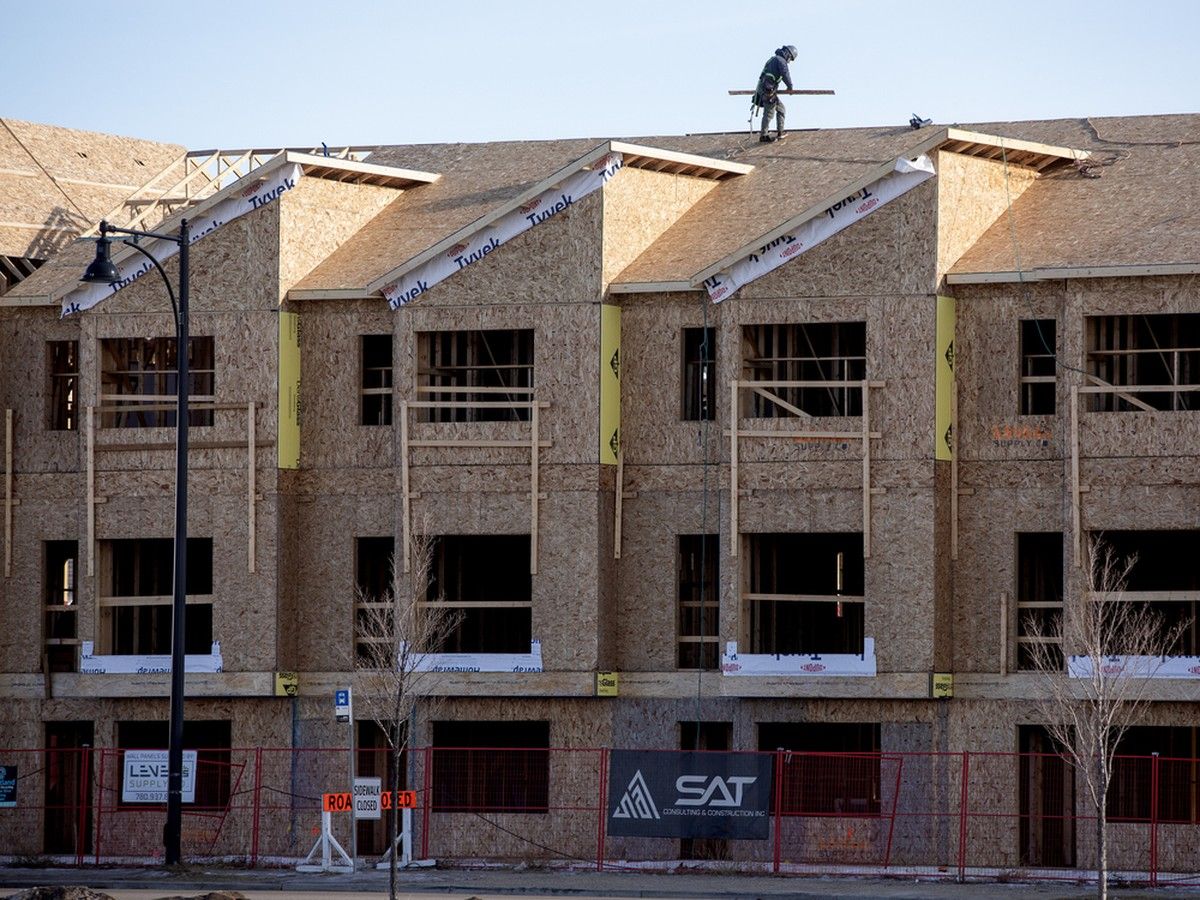
Opinion: Edmonton leads on affordable housing but challenges remain
Insufficient affordable housing is one of the main reasons Edmonton has seen a dramatic increase in homelessness in recent years.edmontonjournal.com
Linking the presence of homeless populations with affordability is only part of the story. There is a threshold people cross where their needs shift from "gee, I wish I could afford a basement apartment near where I work" to "oh no, I have psychosis because I did too much meth and am not able to function in a normal dwelling." Our conversation about homelessness, at a political level, is immature at best, and at worst is being intentionally misused by the development community to extract privileges they would previously have had to pay for, all while not actually addressing the underlying issue: people in need of medical intervention in the form of shelter.


