




TAS
Senior Member
Nice new concise release from Not Just Bikes on cost of surburbia using 3D models. Example at the end how Guelph made building density cheaper and easier and how it paid off.
|
|
|
It seems that the increase in density came from the post-2000s suburbs that were designed at nearly twice the density as the 1950s-1990s burbs.
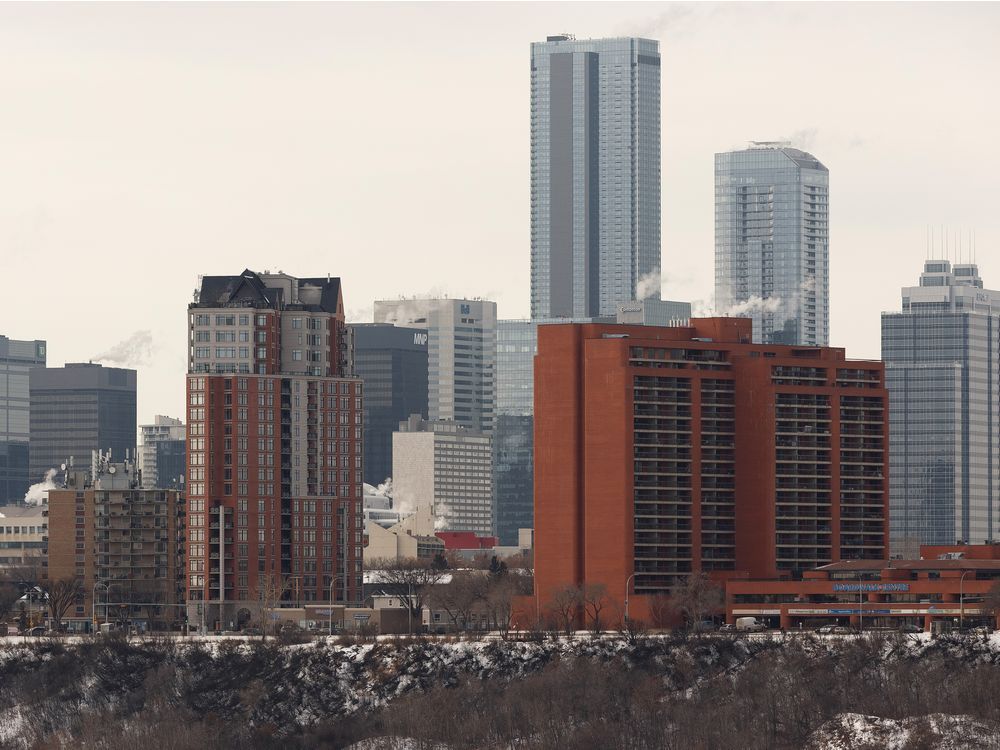
In the low amenity-dense zones, residents must leave their neighbourhoods in order to meet their basic needs. In these parts of Edmonton, the proportion of car commuters hits 84 per cent. The vast majority of vehicles move just one person, causing congestion.
In the Edmonton region, 89 per cent of neighbourhoods built between 2001 and 2021 fall into this category, with few nearby services and a strong reliance on cars. In total, these newer urban areas, which did not exist 20 years ago, cover 228 square kilometres.
I wonder how much it costed Guelph to have this analysis done, and if its something that Edmonton should look into. While current council might already be very supportive of increasing density (im honestly not sure), having a report like this that so clearly spells out the cost of it all, densification might get more public support. Im not sure how anyone could watch a video like that, and not think that the sprawl of Edmonton needs to stopNice new concise release from Not Just Bikes on cost of surburbia using 3D models. Example at the end how Guelph made building density cheaper and easier and how it paid off.
I think a lot of people agree sprawl should stop but they don't want anything in their own community to change, which creates a bit of a problem lolI wonder how much it costed Guelph to have this analysis done, and if its something that Edmonton should look into. While current council might already be very supportive of increasing density (im honestly not sure), having a report like this that so clearly spells out the cost of it all, densification might get more public support. Im not sure how anyone could watch a video like that, and not think that the sprawl of Edmonton needs to stop
well, if people had to pick between changes to their neighbourhood or a higher cost of living, then im sure they would be more likely to change. And if they didnt, well then increases in property tax to these money draining areas would at least start to flip the script on who in the city pays for whoI think a lot of people agree sprawl should stop but they don't want anything in their own community to change, which creates a bit of a problem lol

Totally agree, especially on the property tax part. The way that property taxes are collected seems extremely outdated and should have some sort of cost-to-serve component, this would capture both low density residential, low density commercial, areas of sprawl, and the whole variety of surface level downtown parking lots.What could be cool too is using that analysis to highlight and set benchmarks. Showing people that we could basically triple our population without any greenfield development and it barely being noticeable from a neighbourhood/next door feel would be cool.
Like “hey, your neighbourhood could become tax positive by rebuilding half of it to be duplexes and townhouses, a few apartments/condos, and some basement suites and garage suites. Half the homes can stay bungalows. Density up. Revenue up. Felt difference minimized.
I think a lot of nimby stuff is theoretical and scare tactics more than reality. Like the parking/traffic/kids safety pieces are usually overblown.
We should also use data like this to build a more equitable property tax strategy. Large single family areas that aren’t as tax positive should pay more than denser areas that are tax positive.
 edmontonjournal.com
Not to mention rental apartments, which fall under "other residential" and has a 15% higher in property tax rate that gets passed down to renters.Whoop. There it is. Haha.
Hopefully creates some interesting discussions! 300k bungalows in the NE paying way less than 600k condos downtown just doesn’t make sense from a city standpoint.
And if the argument is that people with pricey homes should pay more than those with less costly ones, I don’t think property taxes are the best vehicle for that. Income taxes, capital gains tax, and wealth taxes should hit those areas. Property taxes should ensure financial sustainability of the municipal costs to manage an area. 1mil walkable, low carbon footprint condo shouldn’t pay more than 600k big SFH in keswick.
Except if rental property owners are paying less property tax, will that be passed on to the renters? Apparently not.Not to mention rental apartments, which fall under "other residential" and has a 15% higher in property tax rate that gets passed down to renters.

Whoop. There it is. Haha.
Hopefully creates some interesting discussions! 300k bungalows in the NE paying way less than 600k condos downtown just doesn’t make sense from a city standpoint.
And if the argument is that people with pricey homes should pay more than those with less costly ones, I don’t think property taxes are the best vehicle for that. Income taxes, capital gains tax, and wealth taxes should hit those areas. Property taxes should ensure financial sustainability of the municipal costs to manage an area. 1mil walkable, low carbon footprint condo shouldn’t pay more than 600k big SFH in keswick.

It could also happen that you have the wrong kind of growth, overly dense rental projects in the core, more dense than the plans contemplate or is desired.This is true, but I'm wondering if the real impact of the changes won't be to encourage a change in the form of development over time. Economists say "tax what you don't want."
So over time, it might encourage fewer single family homes and more small-scale developments. For example, would it encourage homeowners to put in more rental basement and garden suites if it means a bit of income and a (however small) tax break?